
Our Approach
Developing tools that transform workflows.
001
Problem definition
We start by understanding the problem, user needs and business goals.
002
Iterative design and development
We employ agile methods, moving from prototypes to functional builds with ongoing feedback.
003
Full‑stack capability
We handle front‑end and back‑end development, including integrations and scalability considerations.
[ 02_Development FRAMEWORK ]
From discovery to release.
Imagine a new dashboard for your company, a staff portal, a tool for your customers or a combination of all three, and then contact us to make it a reality.

Methodology_Ver_4.0
01
Discovery & Planning
Define functionality, user roles and technical requirements.
02
Architecture & Prototyping
Establish technology stack, data models and create prototypes to test concepts.
03
Development & Testing
Build features iteratively, conduct unit and user testing, and refine based on feedback.
04
Deployment & Support
Launch the application, monitor performance and provide ongoing maintenance and enhancements.
[ 03_Inclusions ]
Web application deliverables.
Endless possibilities, any device, anytime, anywhere. We’ll deliver a new platform that you and your customers can access from any device with a web browser.
// Development_Scope

Feature Workshops
Brainstorm functionality, ideas and user journeys.

UI/UX Design
Intuitive interface designed for usability and aligned with brand guidelines.

Framework Development
Code and database developed to be modular and scalable.

Testing & Deployment
Unit tests, cross device and browser testing, and automated deployments.
Key Web App Design Case Study

Custom Web App Design
Custom Web App Development for Taits Consulting
Taits Consulting is an operational-focused management consultancy that specialises in the mining, manufacturing and high-risk industries. They partner with progressive organisations to provide simplified safety systems, leadership development and data-driven solutions that ensure compliance while boosting operational efficiency. The Challenge A trusted advisor to some of Western Australia’s largest mining…
View Full Case StudySelected Web App Work
Proven across industries.
From dynamic tech startups to established corporate entities, our brand identity framework is highly adaptable. We don’t employ a rigid house style; instead, we design bespoke systems tailored entirely to the commercial realities of each client.
Forza Capital
Allure South Sea Pearls
Visual Archive
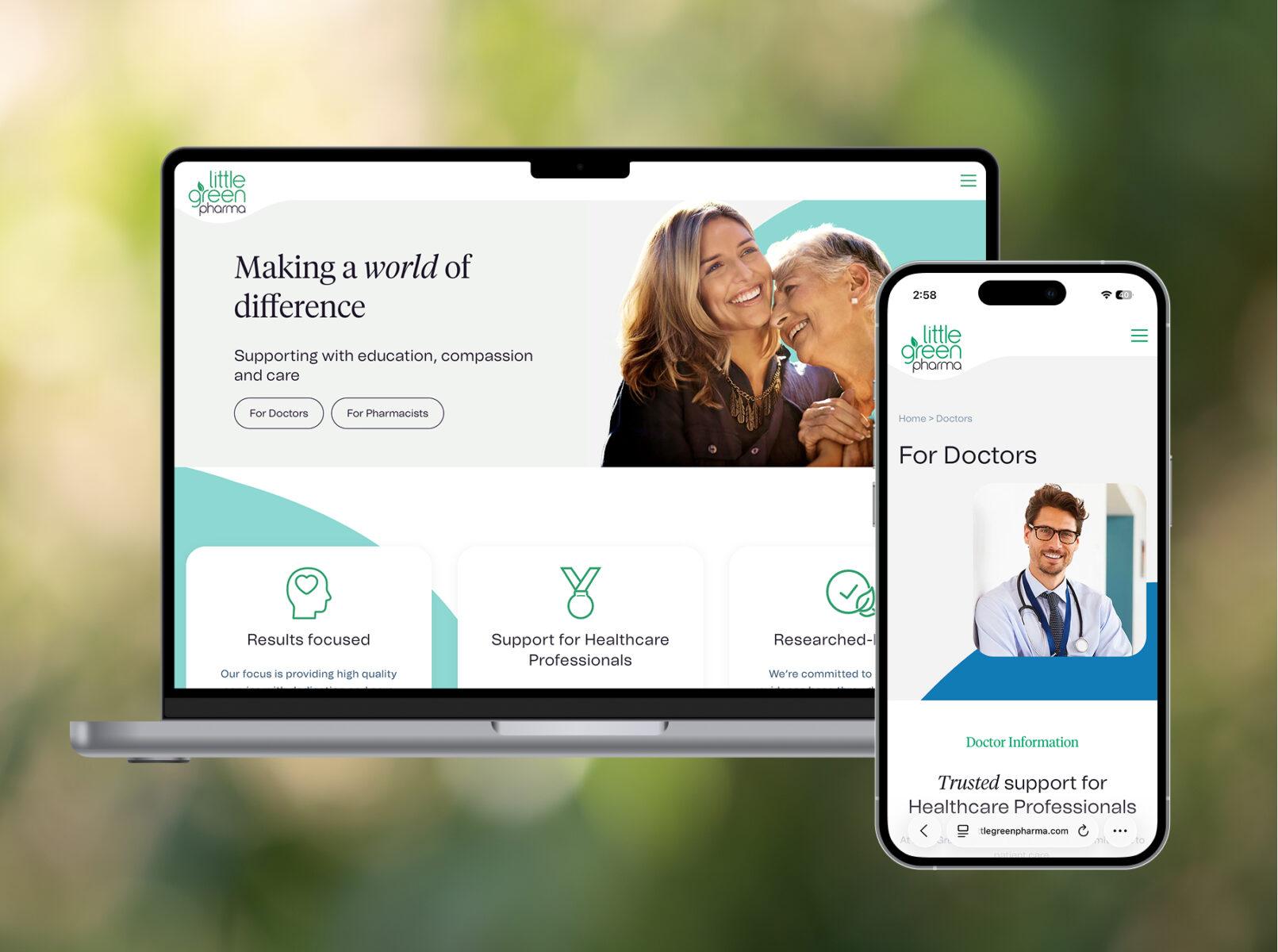
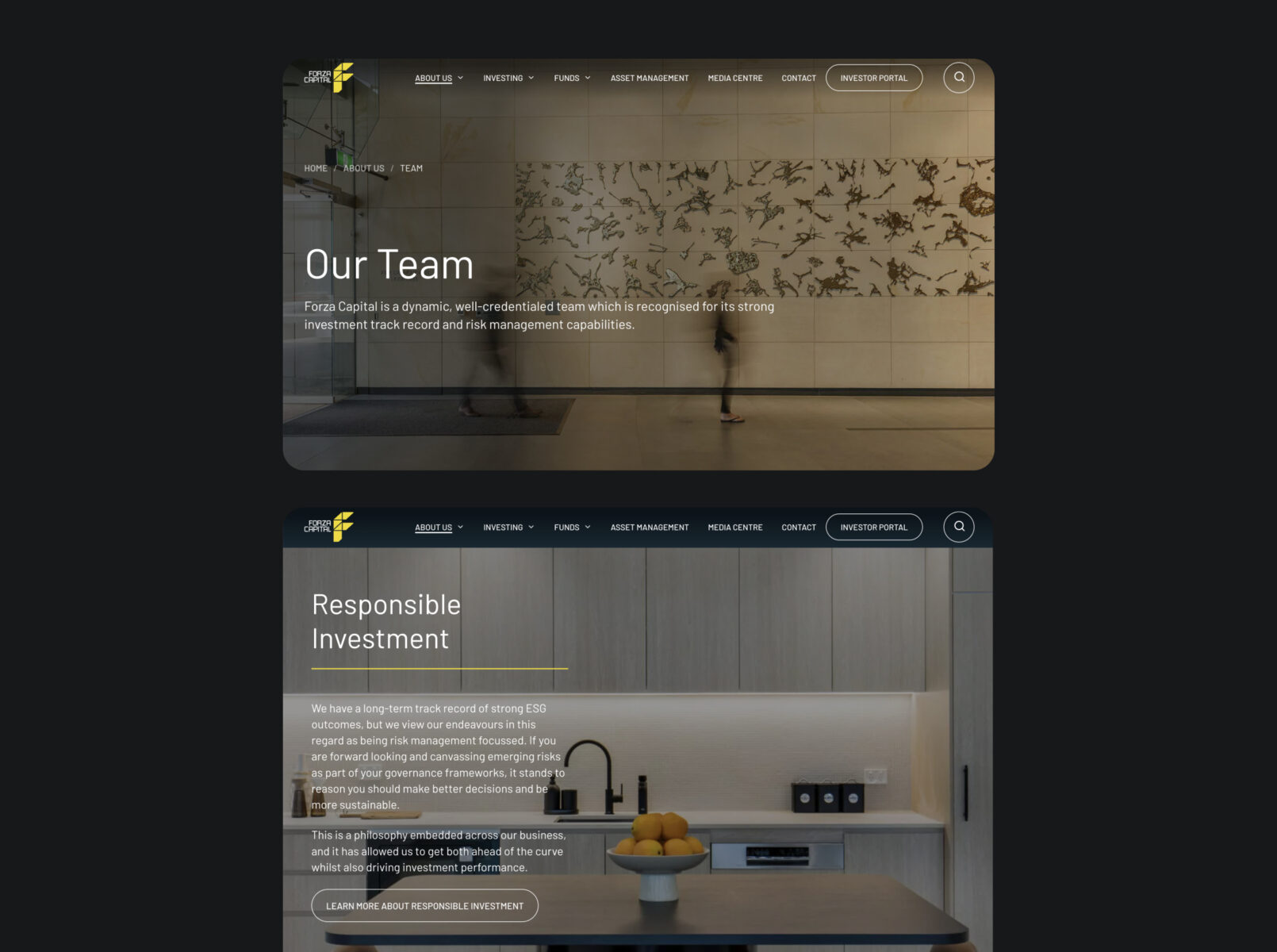
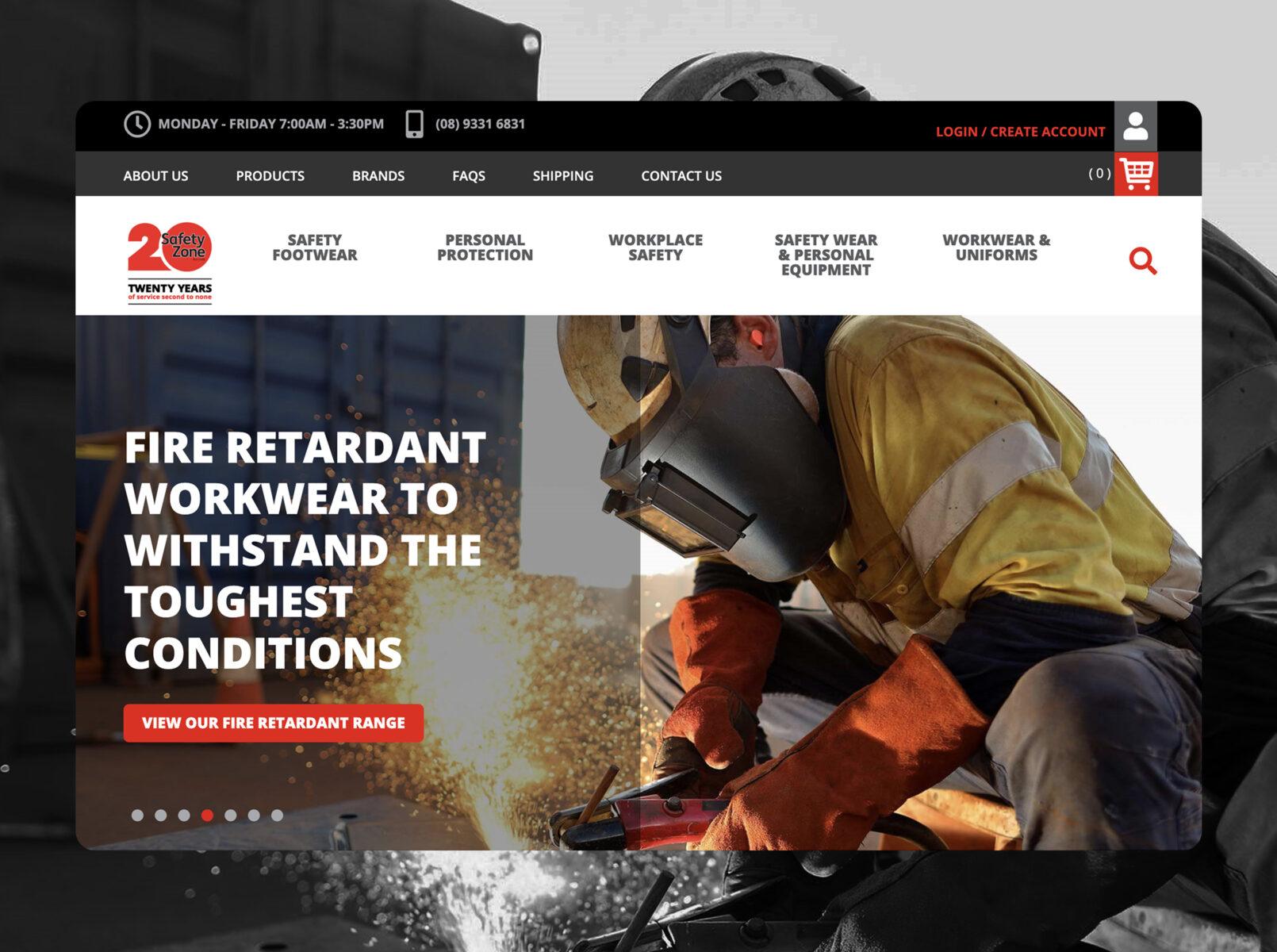

Web App Development
Frequently Asked Questions
Everything you need to know about web apps.
A website primarily presents information, while a web application allows users to complete tasks, manage data or interact with personalised functionality. Examples include customer portals, dashboards, booking systems and internal workflow tools accessed through a web browser.
Yes. We can connect web applications with CRMs, ERPs, accounting platforms and other business systems using available APIs or custom integration methods. We first map the required data flows and assess the third-party system’s access, security and technical limitations.
There is no standard timeframe because web applications vary significantly in complexity. A focused initial product may take several months, while applications involving multiple user roles, integrations or complex workflows can take longer. A staged schedule is created after discovery and technical scoping.
We begin with workshops to define the problem, users, business goals and essential functionality. We then map user journeys, roles, data, integrations and technical requirements before developing the architecture, prototypes, delivery stages and priorities for an initial release.
Ownership and usage rights are defined in the project proposal or agreement. This will distinguish the agreed final deliverables and project-specific source code from SLICK’s existing code libraries, tools, templates, methods and know-how, as well as any third-party software governed by separate licences.
We break complex workflows into clear tasks, roles and user journeys before designing the interface. Wireframes and interactive prototypes are used to test structure and behaviour, while reusable components create consistency and make the application easier to learn, use and expand.
Yes. Our web applications use responsive layouts designed to work across mobile, tablet and desktop browsers. Functionality and interface behaviour are tested across relevant devices and browsers, allowing users to access the application without installing native software.
The technology stack is selected after discovery based on functionality, integrations, security, performance, scalability and long-term maintenance. We provide full-stack development across the interface, application logic, database and APIs, using established frameworks appropriate to the project rather than forcing every application onto one platform.
Yes. You do not need a completed technical specification before speaking with us. We can help turn the initial idea into a defined problem, user journey, feature set, prototype and staged development roadmap, starting with the most valuable version of the product.
Yes. After deployment, we can provide monitoring, maintenance, technical support and ongoing enhancements. The support arrangement is tailored to the application’s complexity and operational importance, with future features prioritised and released as the product and its users evolve.