
Our Approach
Crafting experiences that resonate.
001
User‑centred research
Understanding the needs and behaviours of your users informs every decision.
002
Functional elegance
We balance form and function to create interfaces that are both beautiful and easy to use.
003
System thinking
We design component libraries and design systems that scale across products and platforms.
[ 02_Design FRAMEWORK ]
From discovery to delivery.

Methodology_Ver_4.0
01
User Research & Requirements
Interviews, surveys and analytics to define goals and user stories.
02
Information Architecture & Wireframes
Structuring content and interactions into clear flows.
03
Visual Design & Prototyping
Crafting high‑fidelity designs and interactive prototypes that reflect brand guidelines.
04
Usability Testing & Iteration
Collecting feedback, refining designs and preparing for development handoff.
[ 03_Inclusions ]
User experience deliverables.
// Engagement_Scope

Personas & User Journeys
Articulating who the users are and mapping their tasks.

Wireframes & Flows
Low‑fidelity representations of screens and navigation.

High‑fidelity UI Design
Final interface designs with component libraries.

Prototypes & Testing
Interactive prototypes and usability testing reports.
Key UI/UX Design Case Study
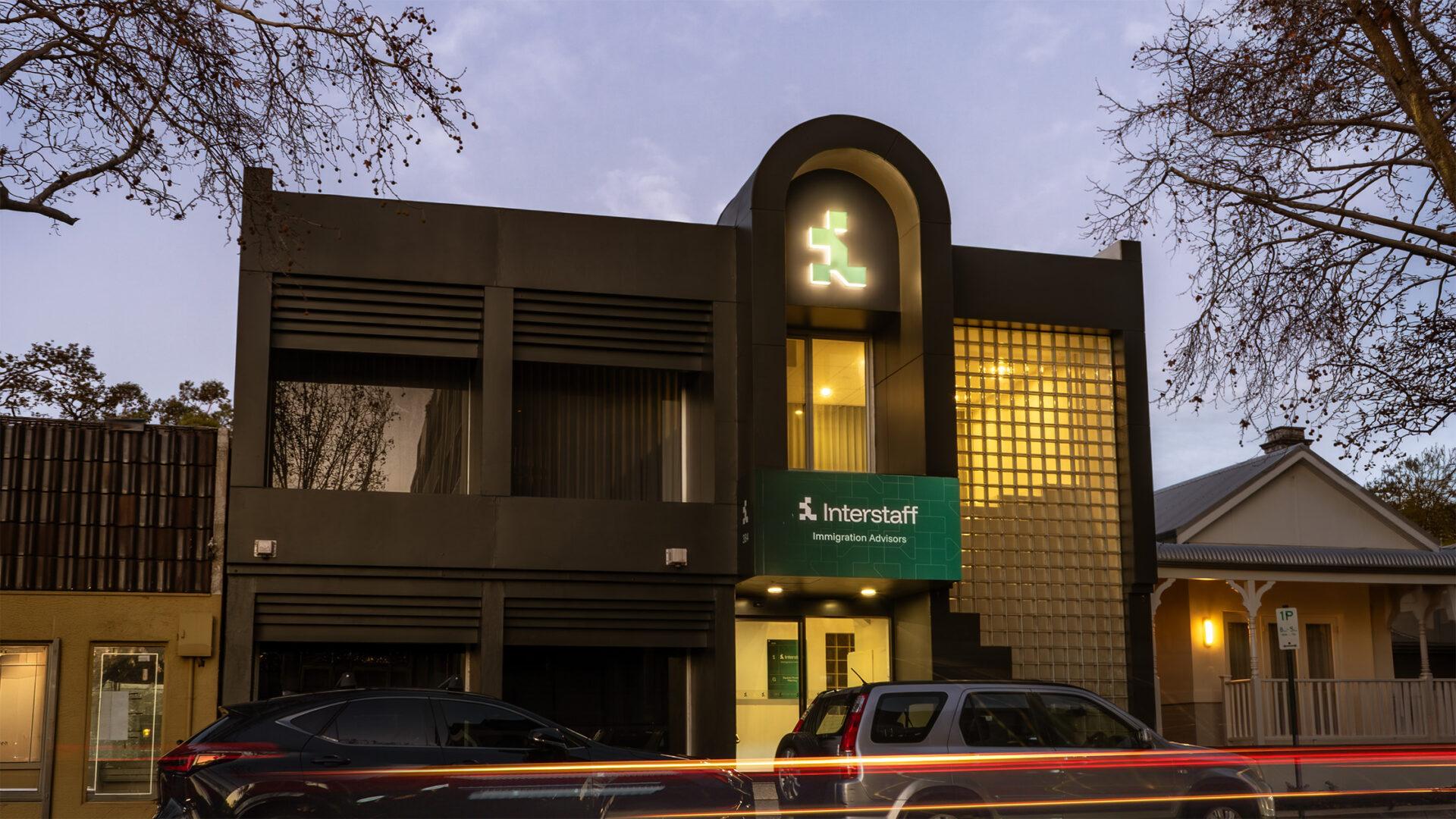
Brand & digital design overhaul
UI/UX Design for Interstaff
A complete strategic realignment, visual brand overhaul, and custom digital platform for one of Australia's premier migration agencies.
View Full Case StudySelected UI/UX Design Work
Proven across industries.
From dynamic tech startups to established corporate entities, our brand identity framework is highly adaptable. We don’t employ a rigid house style; instead, we design bespoke systems tailored entirely to the commercial realities of each client.
Allure South Sea Pearls
More UI/UX Design Case Studies
-

The School Photographer
The School PhotographerTransforming a national brand—and building the creative production engine behind its ongoing success.
-

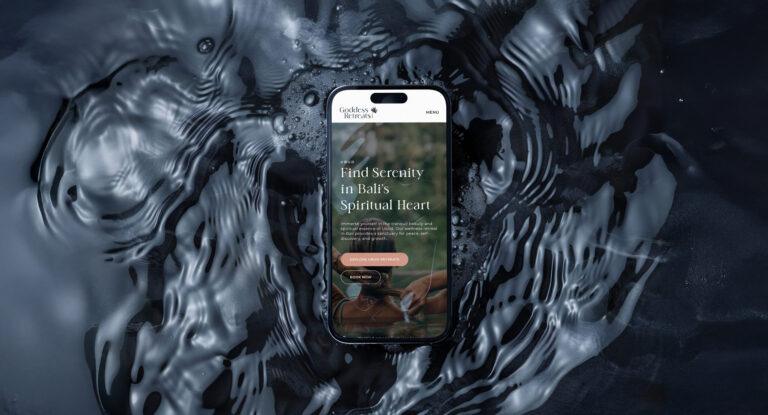
Goddess Retreats
Goddess RetreatsGoddess Retreats is a renowned, women-only wellness retreat based in Bali, Indonesia, offering transformative experiences that…
-

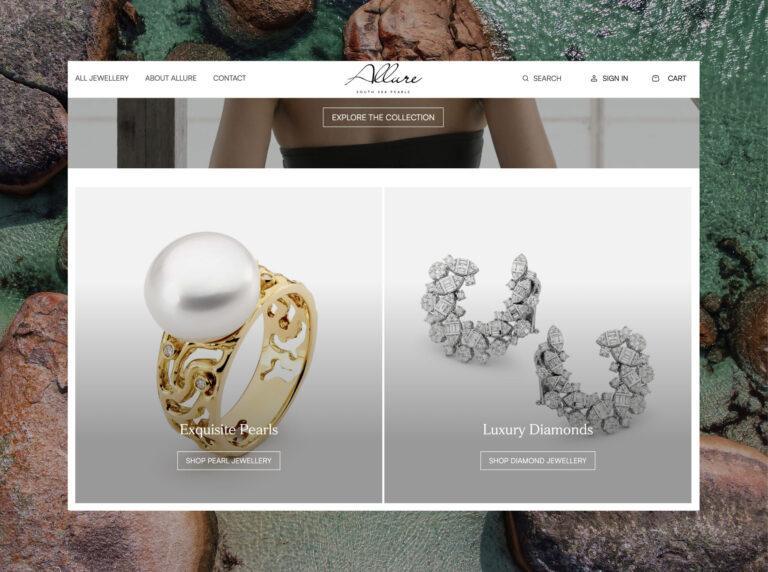
Allure South Sea Pearls
Allure South Sea PearlsFor over 30 years, Allure South Sea Pearls has transformed nature’s rarest treasures into exquisite, handcrafted…

Visual Archive

Website UI / UX Design
Frequently Asked Questions
Everything you need to know about UI/UX design.
We research what users need, identify where they become confused or abandon a task, and restructure the experience around clearer pathways. This can involve simplifying navigation, improving content hierarchy, shortening forms and making important actions easier to find and complete.
Yes. UX design focuses on how the experience works, including structure, user journeys, accessibility and ease of use. UI design focuses on the visual and interactive interface, including layouts, typography, colour, components and states. The two disciplines work together to create an effective digital product.
Deliverables depend on the scope but can include research findings, personas, user journeys, information architecture, user flows, wireframes, high-fidelity interface designs, component libraries, interactive prototypes and usability-testing reports. We also prepare the required documentation for development handover.
Yes. A UX audit can identify targeted improvements to navigation, layouts, content hierarchy, forms and conversion pathways without automatically requiring a complete rebuild. The existing platform and codebase will determine which changes can be implemented efficiently.
Where appropriate, we test interactive prototypes with representative users before development begins. This helps identify usability issues while changes are still relatively easy to make. The testing method and participant requirements are tailored to the project’s audience, complexity and budget.
UX design removes obstacles between a user’s intent and the action you want them to take. Clearer messaging, navigation, calls to action, forms and checkout flows can reduce abandonment and create stronger conditions for enquiries or sales, with performance evaluated through relevant data.
We treat visual design and performance as connected requirements. Interfaces are built around clear hierarchy, reusable components, responsive behaviour and optimised assets, with designers and developers collaborating to ensure visual decisions remain accessible, practical and efficient to implement.
A wireframe is an early, low-detail plan showing the structure, content and functionality of a page or screen. UI/UX is the broader design process surrounding it, including research, user journeys, information architecture, visual design, interaction design, prototyping and testing.
Yes. A developer determines how a digital product will be built, while UX design establishes what should be built and how it should work for the user. Clear UX planning gives developers validated structures, flows and interface requirements, reducing guesswork and avoidable rework.
Yes. User journeys and wireframes are core parts of our process. We map how different audiences move through the experience, then translate those pathways into page structures and screen flows before progressing to high-fidelity interface design and prototyping.