
Our Philosophy
Learn more about the guiding principles that have proved invaluable and genuinely effective when applied consistently to our practices throughout SLICK’s history.

OUR ETHOS
Creativity through logic.
Progress over process.
Design without ego.
These words are the foundation upon which all of our practices, our successes, and our ambitions are built upon. It is the reason why, after more than 20 years, we’re still here.
Introduction
SLICK’s philosophy is built around the relationship between clarity and usefulness. We approach creative work as a system of decisions, not a sequence of outputs. Strategy, design and development each have a role, but their value depends on how well they work together to reduce confusion, sharpen meaning and help a business communicate with more confidence.
This is what we mean by design intelligence. It is not a style, a methodology or a layer of language placed around the work after it has been made. It is the discipline of understanding what a brand, website or creative system needs to do before deciding what it should become.
“I truly believe that SLICK’s use of ‘philosophy’ couldn’t be further from ornamental. The motivations behind these principles create both ontological and teleological frameworks that we use in our practice and our clients’ work.”
– Aidan bowden, creative director – SLICK
Every project carries its own commercial, technical and human context. A brand may need to become more credible without losing familiarity. A website may need to improve enquiry quality, not simply increase traffic. A business may need to articulate a more mature position without becoming abstract or inaccessible. These differences matter, because they change the shape of the work.
SLICK exists to make those decisions clearer. We are interested in work that gives businesses stronger foundations: sharper positioning, more useful digital systems, more coherent communication and better tools for moving forward.
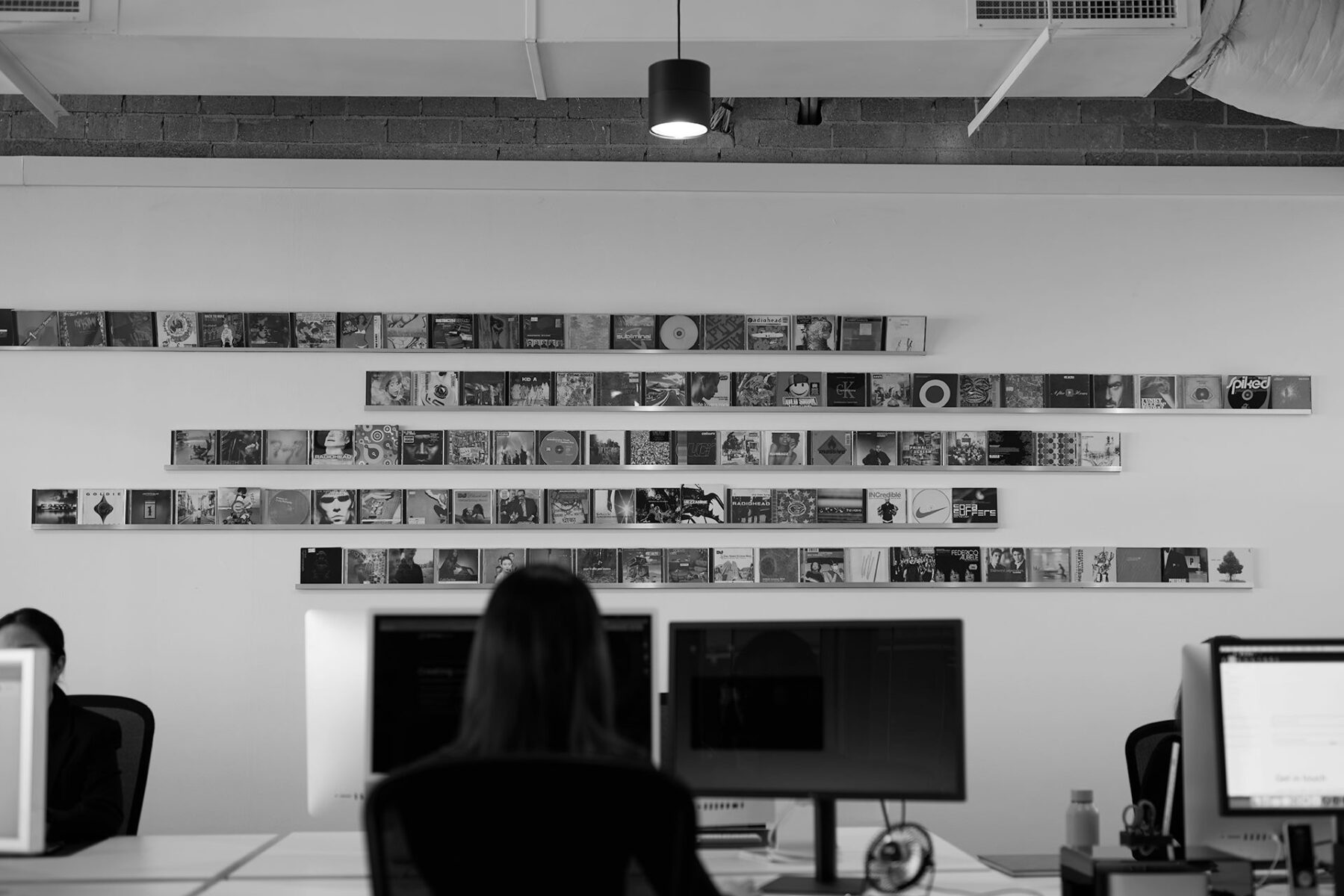
PART 1
Creativity through logic.
“Without a system, form collapses.”
– Wim Crouwel
Creative work becomes stronger when it is given something specific to resolve, something beyond the aesthetic.
We do not treat creativity as a separate force that arrives after the strategic thinking has been completed. The two are linked. Strategy gives creativity its frame: the audience, the problem, the business context, the constraints, the opportunity and the standard by which decisions can be judged. Without that frame, creative work can become dependent on taste alone, and taste is too unstable to carry the weight of a brand or website.
Logic gives the work pressure. It asks whether a decision improves understanding, strengthens recognition, supports usability, creates momentum or clarifies value. It helps separate what is interesting from what is useful. It gives the designer, strategist and developer a shared basis for making decisions, rather than relying on preference, habit or personal attachment.
This does not make the work less creative. It makes the creativity more exact. The strongest ideas often appear once the unnecessary options have been removed and the problem has been defined with enough precision. A clearer frame gives the work somewhere to go.
At SLICK, logic is used to give expression a reason to exist.
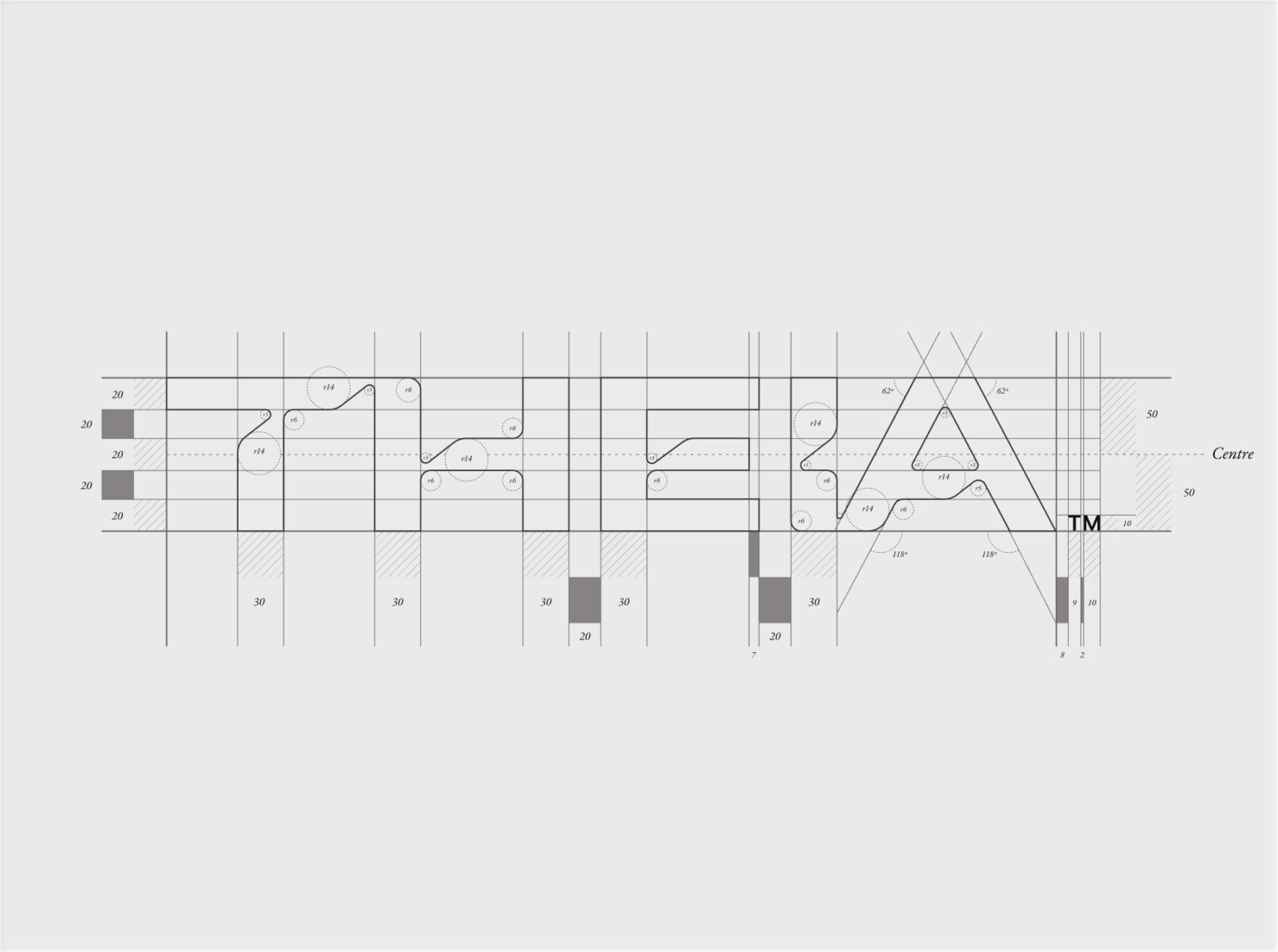
PART 2
Progress over process.
“Design addresses itself to the need.”
– Charles Eames
Process is only as valuable as it enables us to move forward, which is what really matters.
A project needs structure. It needs stages, responsibilities, communication and enough discipline to stop the work from becoming reactive. But process should support progress, not become a substitute for it. The value of a process is not measured by how many steps it contains, but by whether those steps help the work move with more clarity and less friction.
This is why we do not treat every project as though it needs the same machinery. Some projects require deep discovery, stakeholder alignment and strategic documentation before design can begin. Others need a lighter structure, faster decision-making and a clearer path into execution. The task is to understand what the work actually requires, then build the right amount of process around it.
Prioritising progress should not be confused with rushing. It means keeping the project oriented toward resolution. It means knowing when to investigate further, when to simplify, when to make a recommendation and when to move. It means respecting the client’s time without reducing the quality of the thinking.
The best process creates confidence. It gives clients enough structure to understand where the work is going, and enough flexibility for the project to respond intelligently as more is learned.
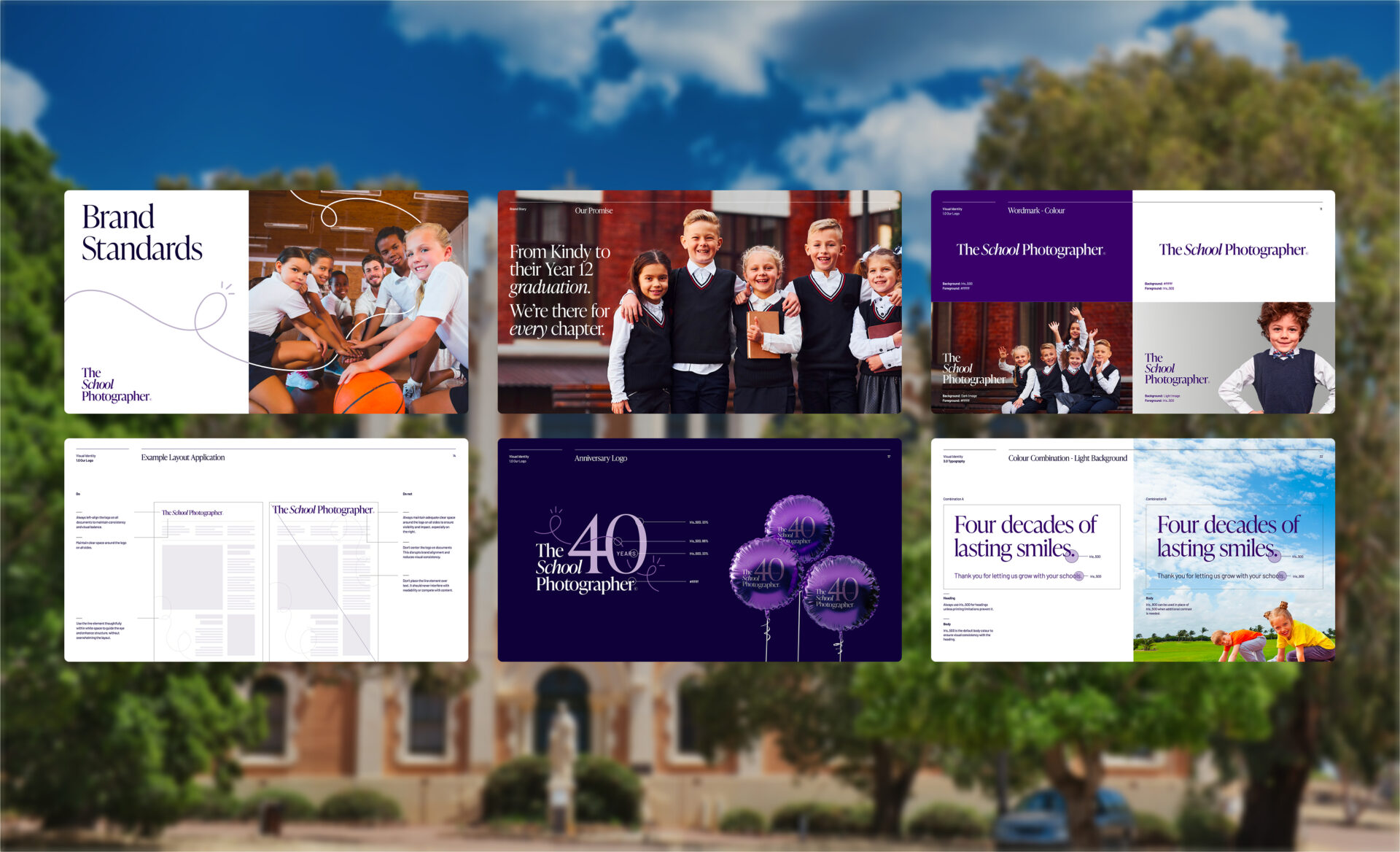
PART 3
Design without ego.
“In essence, it is not what it looks like but what it does that defines a symbol.”
– Paul Rand
Design has to serve something beyond the designer.
For SLICK, design without ego means keeping the work accountable to the brand, the audience and the outcome. It means knowing when a strong visual idea is helping the system, and when it is beginning to distract from it. It means treating restraint as an active design decision, not a lack of ambition.
This does not always mean the work should be quiet, minimal or neutral by default. Some brands need energy, provocation, density, movement or character. Others need precision, calm, authority or simplicity. The point is not to impose a preferred aesthetic, but to understand the kind of expression the brand can genuinely own.
Good design requires judgement. It requires the ability to make decisions that are not purely personal, even when taste and instinct are part of the craft. A designer should bring perspective, but that perspective has to remain in service of the work itself.
Design without ego also shapes how we collaborate. We do not see feedback as an interruption to the process, but as part of the material that helps refine the outcome. The role of the studio is to lead the work with clarity, explain decisions with care and remain open to better answers when they appear.
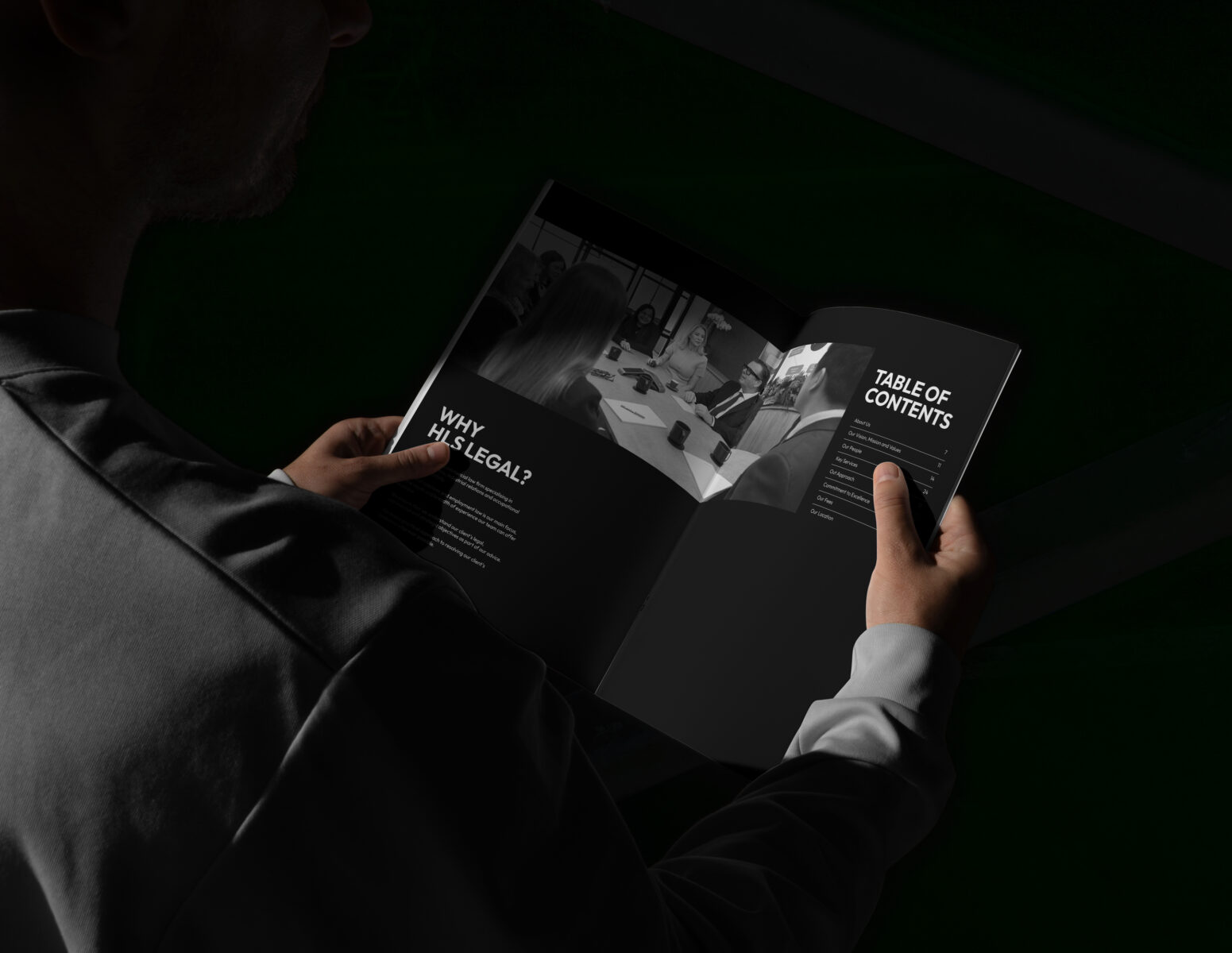
PART 4
Clarity as a standard.
“Less, but better.”
– Dieter Rams
Clarity is often mistaken for simplicity. They are related, but they are not the same.
A simple solution can still be vague. A visually restrained identity can still fail to communicate. A clean website can still leave users unsure where to go or what to do next. Clarity is not achieved by reducing the amount of content, design or functionality by default. It is achieved by giving each part of the system a defined role.
This matters because most communication problems are structural before they are visual. A brand may have the right ingredients but no hierarchy. A website may have the right pages but the wrong sequence. A business may know what it does, but not how to express that value in a way its audience can quickly understand.
Our work often begins by identifying where meaning is being weakened. That may involve refining language, reorganising content, simplifying navigation, rethinking visual hierarchy or defining a stronger strategic position. The aim is not to make everything smaller. The aim is to make the right things easier to recognise, understand and use.
Clarity is a standard that applies across the whole project. It shapes the strategy, the writing, the identity, the interface, the development and the way decisions are made.
PART 5
Systems > fragments.
“Form and function should be one, joined in a spiritual union.”
– Frank Lloyd Wright
If the whole isn’t greater than the sum of its parts, then it’s merely been assembled, not designed.
A brand is experienced through many connected moments. A website, a proposal, a social post, an email, a sign, a campaign asset, a sales conversation and a printed document all contribute to the same impression. The strength of a brand depends on how well those moments relate to one another.
This is why we think in systems. A system gives a business the ability to communicate consistently without repeating itself endlessly. It creates enough structure for the brand to remain recognisable, and enough flexibility for it to behave naturally across different contexts. It makes future work easier because the underlying decisions have already been considered.
The same principle applies to websites. A website is not only a visual outcome. It is a structure for content, interaction, functionality and ongoing use. It needs to make sense to the audience, but it also needs to make sense to the business managing it after launch.
When strategy, design and development stay connected, the final outcome is more coherent. The brand informs the interface. The content informs the structure. The technical system supports the design rather than fighting against it. The result is work that is easier to maintain, extend and trust.
PART 6
Change with purpose.
“Design is not art. Design is utilitarian.”
– Massimo Vignelli
Change only becomes worthwhile when it fixes the right problem in a way that’s worth talking about.
Some businesses need a substantial shift in positioning, identity and digital presence. Others need refinement, better structure or a clearer expression of what already exists. Sometimes the visual identity is not the first issue to solve. Sometimes the content, user journey, messaging or internal alignment needs to be addressed before the design can do its job properly.
This is why we are careful about defining the problem before defining the output. A project becomes more useful when the scope is shaped around what needs to change, not simply around what can be produced.
Purposeful change gives the business something to build from. It creates a clearer basis for decisions, a stronger way to communicate and a more coherent experience for the people interacting with the brand.
PART 7
Our studio’s role.
“Eventually everything connects — people, ideas, objects. The quality of the connections is the key to quality per se.”
– Charles Eames
SLICK has always been deliberately limited in size. This has shaped how we work.
A smaller team keeps senior thinking close to the detail. It reduces the distance between strategy and execution, and it allows decisions to be made with a fuller understanding of the project. The people shaping the direction are close enough to see how that direction affects the design, the development and the practical use of the final system.
This closeness matters. Creative work can lose strength when responsibility is spread too thinly across too many layers. Ideas become diluted. Context gets lost. Decisions are made in parts rather than as a whole. We prefer a model where collaboration is direct, the thinking remains visible and the work is protected from unnecessary complexity.
This does not mean every project is small or simple. It means the studio stays intentionally shaped around the quality of the work, rather than growth for its own sake. We value the diversity of ideas that comes from collaboration, but we also value the discipline required to resolve those ideas into something useful.
