
●
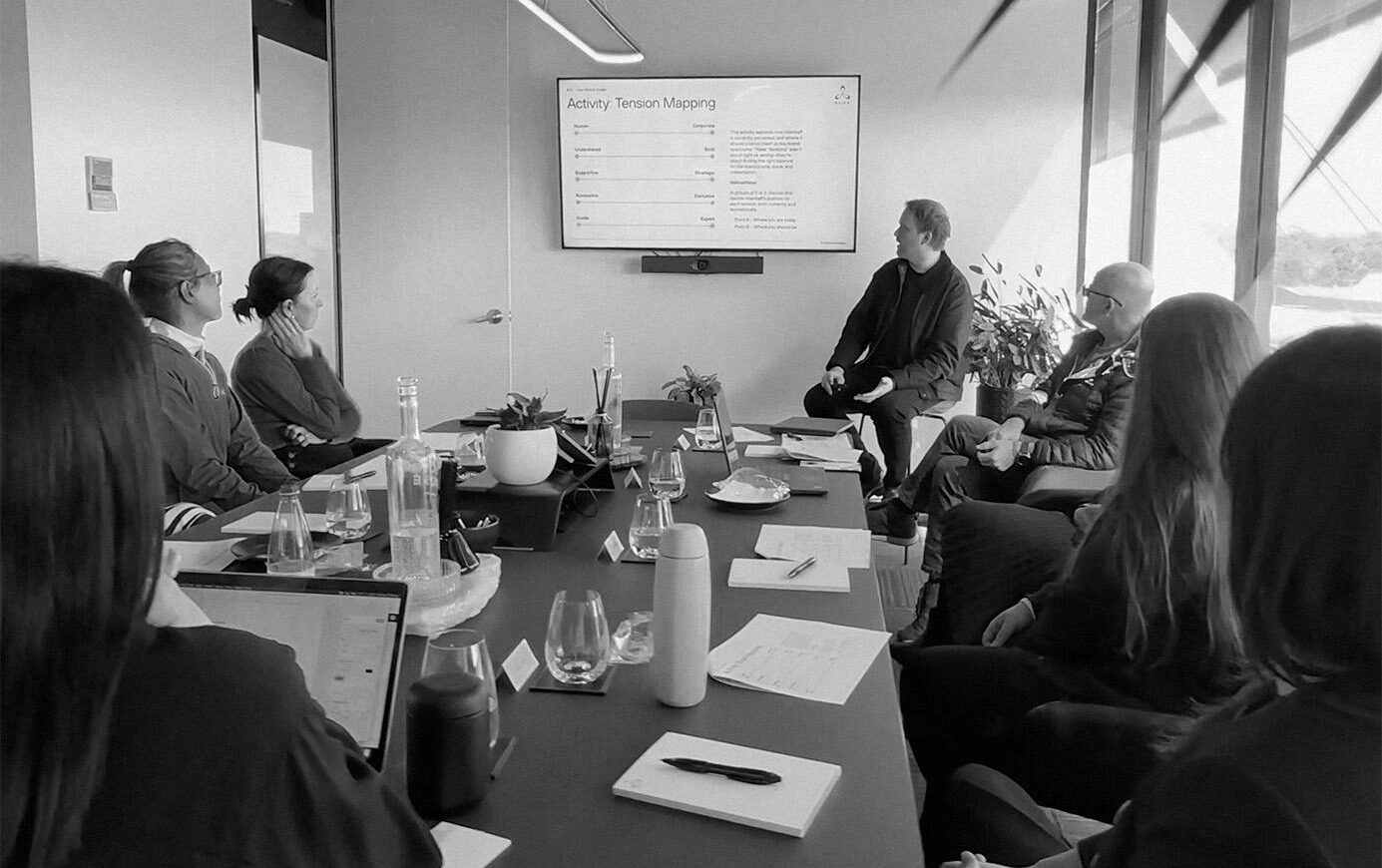
What is brand strategy?
When people think about branding, they often think first about the visual elements — a…

|
Discovering that your website has been hacked can be confronting, particularly when your website plays an important role in generating enquiries, communicating with customers or processing transactions. The most important thing is to act quickly — but carefully.
A compromised website isn’t always resolved by deleting a suspicious file, installing a security plugin or restoring the latest backup. If the original vulnerability or a hidden backdoor remains, the malware can simply return. Understanding the extent of the compromise is the first step towards getting your website safely back online.
Some website compromises are immediately obvious. Others can remain unnoticed for weeks or even months.
Common warning signs include unexpected redirects, unusual pop-ups, unfamiliar administrator accounts, browser security warnings, unexplained changes to website content or spam pages appearing in Google search results. You may also notice your website becoming unusually slow, your hosting provider issuing security alerts, or files appearing within your WordPress installation that you don’t recognise.
Importantly, a website can also appear completely normal while malicious scripts operate in the background, which is why a proper security assessment is important if you suspect something isn’t right.
When malware is discovered, the natural response can be to start deleting suspicious files or immediately restore an older backup. That can sometimes make the situation more difficult.
Before making significant changes, it’s important to preserve available backups, logs and other technical information that may help identify how the website was compromised. Where possible, the affected website should then be assessed away from the live environment so the issue can be investigated without introducing further risk.
A hacked WordPress website often contains more than one compromised file. Attackers may leave hidden backdoors, altered configuration files, database injections or additional administrator accounts that allow them to regain access after the obvious malware has been removed.
The original entry point may also remain — such as an outdated plugin, vulnerable theme, compromised password or another infected website within the same hosting environment. This is why repeatedly removing the visible malware without addressing the underlying cause can result in the website becoming infected again.
A clean backup can be extremely valuable, but restoring one isn’t automatically a complete solution. If the backup was created after the website was compromised, it may already contain malicious code. Even a genuinely clean backup doesn’t necessarily resolve the vulnerability that allowed the attack to occur in the first place.
A safer recovery process involves identifying an appropriate recovery point, rebuilding or restoring the website within a controlled environment, updating vulnerable components and testing everything before it returns to production.
Not every compromised website needs to be completely rebuilt. For a contained infection, targeted remediation may be appropriate. However, when malicious code is widespread or repeatedly returns, rebuilding compromised components from trusted sources can provide greater confidence than continually cleaning an environment that can no longer be trusted.
At SLICK, our recovery process typically involves isolating the website, assessing its code, database and assets, rebuilding compromised components where required, strengthening security controls and thoroughly testing the website before relaunch.
Getting the website back online is only part of the recovery process. Once restored, the website should be hardened to reduce the likelihood of another compromise. This may include updating WordPress core, themes and plugins, removing unused software, reviewing administrator access and permissions, strengthening authentication and ensuring reliable backups are in place.
Ongoing maintenance and monitoring are equally important. No website can ever be made completely risk-free, but keeping software maintained, controlling access and having a reliable recovery plan significantly improves your security posture.
The sooner a compromised website is properly assessed, the better. Rather than repeatedly treating the visible symptoms, the objective should be to identify what happened, contain the risk and establish a clean, controlled path back online. Website security isn’t simply about removing malware. It’s about restoring confidence that the environment your organisation relies on can once again be trusted.
Continue reading from our journal. View Journal Archive
●
When people think about branding, they often think first about the visual elements — a…
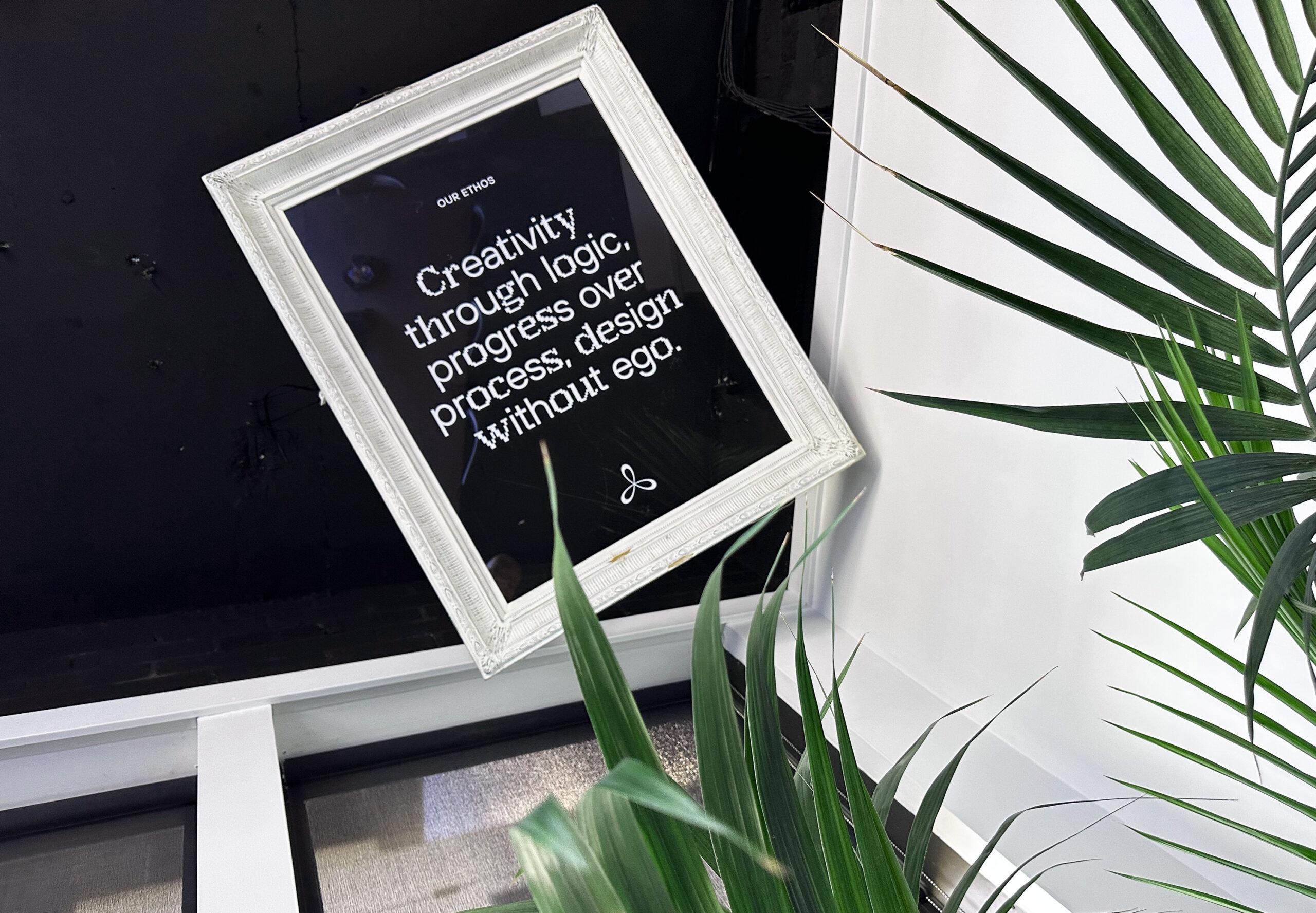
There are plenty of creative agencies that can design a logo, build a website or…
●
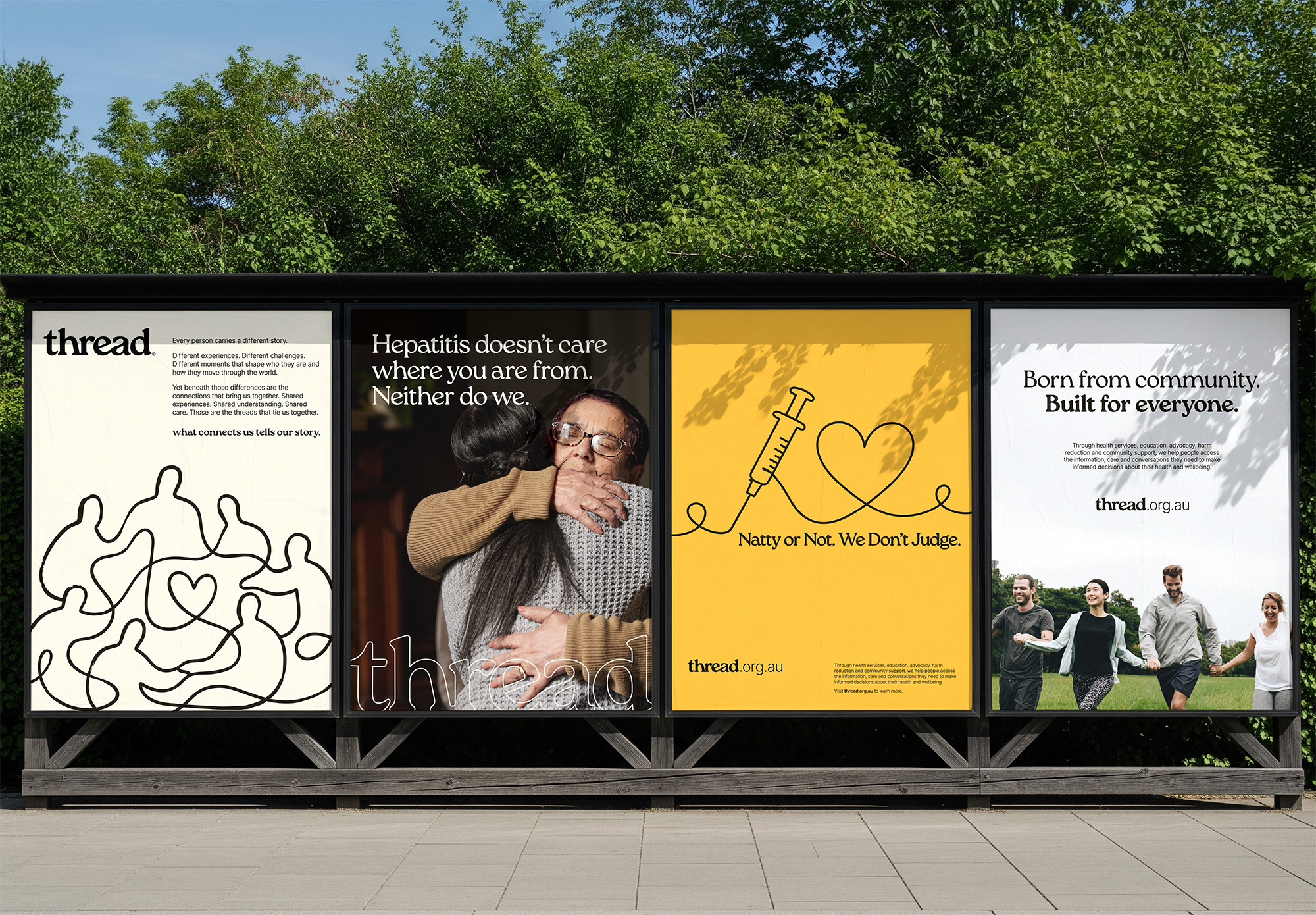
Choosing the right creative partner is about more than finding someone who can produce great-looking…